
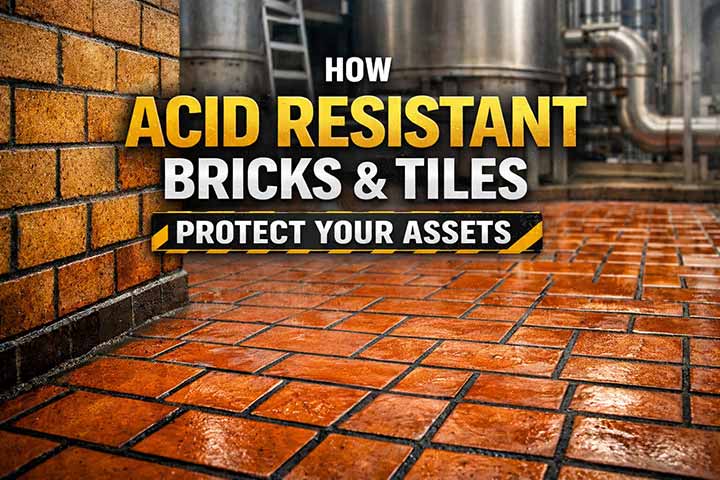
In industrial environments where corrosive chemicals are part of daily operations, protecting infrastructure is not optional—it’s critical. From chemical processing plants and power generation facilities to food production and wastewater treatment, exposure to acids and harsh substances can rapidly degrade standard construction materials. This is where acid resistant bricks and tiles play a vital role.
Designed specifically to withstand aggressive chemical environments, these specialized materials offer long-term protection, structural integrity, and cost savings. Understanding how they work—and why they matter—can help facility owners and operators make smarter investments in durability and safety.
What Are Acid Resistant Bricks and Tiles?
Acid resistant bricks and tiles are engineered masonry products manufactured from high-quality silica, fireclay, or other dense materials. They are fired at high temperatures to create a low-porosity structure that resists chemical penetration.
Unlike standard bricks or ceramic tiles, these materials are specifically formulated to endure exposure to acids such as sulfuric acid, hydrochloric acid, and nitric acid. When paired with compatible acid-resistant mortars and grouts, they form a complete protective lining system.
The Real Risk: Chemical Corrosion
Chemical corrosion is one of the most damaging forces in industrial environments. When acids come into contact with conventional concrete or masonry, they initiate a breakdown process that weakens the structure over time.
This can lead to:
- Surface erosion and material loss
- Structural instability
- Contamination risks
- Increased maintenance costs
- Unexpected downtime
Without proper protection, even newly constructed facilities can experience premature failure.
How Acid Resistant Materials Protect Your Assets
1. Barrier Against Chemical Attack
The primary function of acid resistant bricks and tiles is to act as a barrier between corrosive substances and the underlying structure. Their dense composition prevents acids from penetrating the surface, effectively shielding concrete and steel substrates from damage.
This protective layer is especially critical in areas like:
- Chemical containment zones
- Tank linings
- Processing floors
- Trenches and sumps
By isolating corrosive agents, these materials extend the lifespan of your infrastructure.
2. Durability in Harsh Conditions
Industrial environments are not only chemically aggressive—they often involve high temperatures, heavy loads, and mechanical wear. Acid resistant bricks and tiles are built to handle these combined stresses.
Their benefits include:
- High compressive strength
- Thermal resistance
- Abrasion resistance
- Low water absorption
This combination ensures long-term performance even in the most demanding conditions.
3. Reduced Maintenance and Downtime
When facilities rely on standard materials, frequent repairs become inevitable. Corrosion leads to cracks, leaks, and surface degradation that must be addressed regularly.
By installing acid resistant systems, you significantly reduce:
Maintenance frequency
Repair costs
Operational interruptions
Over time, this translates into substantial savings and improved productivity.
4. Improved Safety and Compliance
Corrosion-related failures can create serious safety hazards, including chemical leaks and structural collapse. In regulated industries, this also raises compliance concerns.
Acid resistant linings help maintain:
- Safe working environments
- Containment integrity
- Regulatory compliance
This is particularly important in industries where environmental and safety standards are strict.
5. Long-Term Cost Efficiency
While acid resistant bricks and tiles may have a higher upfront cost than traditional materials, they deliver significant long-term value. Their durability and resistance to chemical attack mean fewer replacements and repairs over the life of the facility.
When evaluating the total cost of ownership, these materials often prove to be the more economical choice.
Applications Across Industries
Acid resistant brick and tile systems are used across a wide range of industries, including:
- Chemical Processing: Reactor areas, storage tanks, and containment pits
- Power Generation: Flue gas desulfurization units and ash handling systems
- Food & Beverage: Areas exposed to cleaning acids and byproducts
- Pharmaceuticals: Clean rooms and chemical handling zones
- Wastewater Treatment: Channels, tanks, and digesters exposed to corrosive substances
Each application demands reliable protection—and acid resistant materials deliver.
The Importance of Proper Installation
Even the highest-quality materials require proper installation to perform effectively. Acid resistant systems depend on:
- Correct substrate preparation
- Proper selection of mortars and grouts
- Skilled installation techniques
A well-designed and professionally installed system ensures maximum performance and longevity.
Protecting What Matters Most
Your facility is a significant investment—and protecting it from chemical damage is essential to maintaining operational efficiency and safety. Acid resistant bricks and tiles provide a proven solution for environments where standard materials simply cannot withstand the conditions.
By choosing the right materials and installation approach, you’re not just preventing corrosion—you’re safeguarding your assets, reducing long-term costs, and ensuring reliable performance for years to come.
If your operation involves exposure to corrosive substances, investing in acid resistant solutions isn’t just a smart decision—it’s a necessary one.